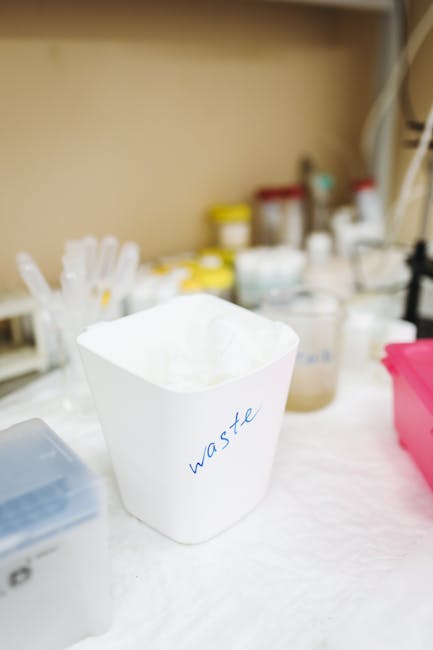
Camden Council rules for clinical waste from cleaning jobs

If you clean homes, offices, HMOs, short lets, or shared spaces in Camden, sooner or later you may come across clinical waste. That can mean used gloves, dressings, wipes from wound care, contaminated cloths, sharps containers, or anything else that has to be handled with more care than ordinary rubbish. The tricky bit is that the Camden Council rules for clinical waste from cleaning jobs are not always obvious at first glance, and that's where mistakes creep in.
This guide breaks the topic down in plain English. You'll learn what counts as clinical waste in a cleaning context, how it should be separated from general waste, what good practice looks like in Camden, and how to stay safe without overcomplicating the job. Truth be told, most problems happen not because people are careless, but because the rules feel fuzzy. Let's fix that.
Why Camden Council rules for clinical waste from cleaning jobs matters
Clinical waste is not just "messy waste". It can carry infection risk, create unpleasant odours, and cause real issues if it is mixed with ordinary rubbish. In a busy Camden property, especially around flats, shared entrances, office washrooms, or post-occupancy cleans, one misplaced bag can become a bigger problem than it should. And nobody wants that smell drifting out into a hallway at 8:00 on a Monday morning. Nobody.
For cleaners, the reason this matters is simple: the wrong disposal method can expose you, the client, building staff, and waste collectors to unnecessary risk. It can also trigger complaints, delays, extra costs, or awkward conversations with a landlord or facilities manager. In a tight urban area like Camden, where waste storage space is limited and access can be fiddly, the practical side matters just as much as the rulebook.
There's also a trust factor. Clients often assume a professional cleaner will know what to do with contaminated waste. If you handle it calmly, correctly, and without drama, it signals competence straight away. If you don't, the whole job can feel shaky. To be fair, that's rarely about one bag of waste. It's about confidence.
Expert summary: When clinical waste appears during a cleaning job, treat it as a separate risk stream, not as ordinary rubbish. Identify it, isolate it, package it properly, and use a lawful disposal route. That one habit solves a lot of headaches.
How Camden Council rules for clinical waste from cleaning jobs works
In practice, the process starts with identification. A cleaner needs to recognise what is clinical waste and what is not. A used tissue is not the same as a blood-contaminated dressing. A disinfectant wipe from a kitchen clean is not the same as a wipe used to clean bodily fluids. That distinction sounds obvious when written down, but on site it can be less clear, especially if you're moving quickly.
Once waste is identified, the next step is segregation. Clinical waste should not be mixed with general waste, food waste, or recycling. It normally needs to go into the appropriate bag or container, depending on the type of waste and the client's arrangements. Some cleaning jobs will only involve minor incidental contamination; others, such as after an illness-related clean or a property affected by bodily fluids, may require more structured waste handling.
Camden Council itself is relevant because local collection arrangements, household disposal guidance, and expectations around responsible waste management all shape what happens next. If the waste is household-generated, the resident may need to follow local collection rules or use an authorised route. If it comes from a business, landlord-managed property, or commercial cleaning job, the duty to arrange proper disposal may sit with the business or waste producer. That can vary, so it is worth checking carefully rather than guessing.
The "how" also depends on the waste type:
- Infectious waste: material contaminated with blood or bodily fluids may need special handling.
- Offensive waste: waste that is unpleasant but not necessarily infectious may follow a different route.
- Sharps: needles, blades, and broken glass contaminated with biological material are handled with extra caution.
- Domestic-like waste with contamination: sometimes a cleaning job produces waste that looks ordinary but is no longer fit for general disposal.
That classification is important because the wrong container or collection route can create compliance issues. It's a bit like using the wrong mop head for polished floors: technically you can do it, but you'll regret it later.
For broader cleaning jobs that sit alongside waste handling, services such as deep cleaning and one-off cleaning often overlap with more sensitive waste situations, especially after illness, tenant turnover, or a neglected property. The cleaner's role is not to diagnose anything; it is to notice risk and respond properly.
Key Benefits and Practical Advantages
Following the correct approach is not just about "being compliant". It makes the job smoother, safer, and less stressful. You can feel the difference on site: fewer awkward pauses, fewer uncertain decisions, fewer bags left sitting around because nobody knows where they belong.
- Better safety for everyone: Proper segregation reduces exposure to pathogens and sharp injuries.
- Cleaner handover: Clients see a professional standard rather than a rushed tidy-up.
- Lower risk of contamination: Waste stays contained instead of spreading through the property.
- Smoother operations: Clear procedures save time when the job is busy or emotionally difficult.
- Fewer disputes: Everyone knows who is responsible for what, especially in shared or rented properties.
There is another practical advantage people sometimes miss: clear waste handling helps with reputation. In a place like Camden, where word travels fast between landlords, agents, office managers, and private clients, being known as the team that handles awkward situations properly is worth a lot. Quiet reliability wins jobs. It just does.
| Approach | What it looks like | Typical result |
|---|---|---|
| General waste only | Everything goes into one bin bag | Fast, but risky and often unsuitable |
| Basic segregation | Clinical waste kept separate from normal rubbish | Safer and more organised |
| Documented disposal route | Waste type identified, bagged, labelled, and collected properly | Best for compliance and client confidence |
Who This Is For and When It Makes Sense
This topic matters to a fairly wide group of people, and not just specialist cleaners. If you work in domestic cleaning, end of tenancy work, commercial cleaning, or property management, you may encounter clinical waste more often than you think. Sometimes it's obvious. Sometimes it arrives quietly in a bathroom bin or tucked under a bed after a tenant has left in a hurry.
It makes sense for:
- Domestic cleaners handling bathrooms, bedrooms, and bin emptying in occupied homes.
- Commercial cleaners working in offices, washrooms, or shared premises.
- End of tenancy teams dealing with abandoned waste or soiled items.
- Landlords and letting agents who need to manage post-occupancy risks.
- Facilities managers looking after common parts and service areas.
- Specialist cleaning teams attending after illness, contamination, or distressing incidents.
It also matters when the job is only partly visible. For example, a cleaner might arrive to a flat in Kentish Town, open a bathroom bin, and find dressings or sanitary items mixed with tissues. Or in an office, a first-aid response might leave contaminated materials in a washroom bin. These are the moments when a calm process matters more than theory.
If your work often overlaps with more general property cleaning, it may help to review how your wider service is structured too. Pages like domestic cleaning, commercial cleaning, and office cleaning show how different cleaning environments create different expectations around hygiene and waste control.
Step-by-Step Guidance
If you want a simple working method, use this. It is not fancy, but it is dependable.
- Pause and assess the waste. Don't scoop everything into one bag just to be done with it. Look closely enough to understand what you're dealing with.
- Separate clinical waste from general waste. Anything contaminated with blood, bodily fluids, dressings, or sharps should be isolated immediately.
- Use the right container or bag. Follow the client's arrangements or your company policy. If you don't have the correct supplies on site, stop and escalate rather than improvising.
- Double-check for sharps. This is the bit people rush, and it's where injuries happen. Glass, needles, blades, and broken contaminated items need careful treatment.
- Seal and label where required. Keep the waste contained. No loose ends, no half-tied bags dangling in a corridor.
- Store safely until collection. Keep the waste away from public access, pets, food prep areas, and general traffic routes.
- Arrange lawful disposal. Use the correct collection method for the waste type and property type. If you're unsure, ask the client or property manager before moving ahead.
- Record what happened. A simple note can save time later, especially for landlords, office managers, or repeat clients.
A useful habit is to build a quick "waste check" into the end of the clean. That way you're not discovering the awkward stuff when you're already at the door with your kit packed away. Been there, regretted it.
If the job includes broader restorative work, you may also be dealing with stubborn residues or odours. In those cases, services such as stain removal or odour removal can sometimes sit alongside the clean, but waste handling still has to come first.
Expert Tips for Better Results
Small habits make a big difference here. The cleaner who takes thirty extra seconds to think through the waste stream usually has an easier afternoon. Funny how that works.
- Carry a separate "contaminated waste" bag or bin liner set: It sounds basic, but it stops accidental mixing.
- Train staff to recognise common clinical waste items: Dressings, swabs, gloves used during bodily fluid cleanup, and sharps are the usual troublemakers.
- Keep PPE ready: Gloves, aprons, and eye protection should be available when contamination is possible.
- Use clear handover notes: If you are cleaning for a landlord, agent, or manager, a short note about waste found and removed can prevent confusion later.
- Don't over-handle the waste: The more times you touch it, move it, or open it, the more risk you create.
- Build a decision rule: If you're not sure whether something is clinical waste, treat it cautiously and escalate. That's usually the safer call.
In our experience, the best teams use a "stop, sort, seal" rhythm. Stop to identify. Sort into the right stream. Seal it properly. Three words, easy to remember, and oddly satisfying when the job is already a bit grim.
Also, don't underestimate communication. A quick, calm explanation to the client can prevent worry. People relax when they know the waste is being handled properly. A little clarity goes a long way, especially in a shared building where everyone is peering at the corridor bins.
Common Mistakes to Avoid
Most errors fall into a handful of predictable patterns. Once you know them, they're easier to avoid.
- Mixing clinical waste with general rubbish: This is the classic mistake and probably the most avoidable one.
- Guessing instead of checking: If the waste looks unusual, assume it needs more caution until you know otherwise.
- Using the wrong bag or container: A standard black sack is not a magic fix.
- Leaving waste in open areas: Even for a short time, that creates a safety issue.
- Forgetting sharps risk: A small item can create a major injury if it is not seen in time.
- No documentation: If a dispute comes up later, memory alone is a weak defence.
- Assuming the council will collect everything: Local collection rules differ, and some waste must go through a separate route.
Another common problem is the "someone else will deal with it" approach. In practice, that leaves waste sitting around while everyone avoids eye contact. Not ideal. The cleaner, the landlord, and the client all need to understand their part before the job starts.
And yes, sometimes the waste issue is small. A single contaminated wipe might not sound dramatic. But small mistakes have a habit of becoming larger ones when they are left unchecked.
Tools, Resources and Recommendations
You do not need a mountain of specialist gear for every job, but you do need the right basics. Good waste handling usually starts with good preparation.
- Appropriate PPE: disposable gloves, aprons, and eye protection where splash risk exists.
- Separate bags or liners: used to isolate waste safely.
- Sealable containers: especially useful where items could leak or expose handlers.
- Labels or notes: for identifying the waste stream and avoiding mix-ups.
- Hand sanitiser and cleaning products: for safe cleanup around the waste area.
- Incident log or job notes: useful for commercial clients and repeat visits.
If you are building a broader cleaning process, it can also help to review related service pages such as health and safety policy, insurance and safety, and recycling and sustainability. They are not a substitute for proper waste handling, of course, but they do show how a professional cleaning business thinks about risk and responsibility.
If you're a client rather than a cleaner, look for a provider that can explain how they handle contaminated waste, what they do when something unexpected turns up, and how they protect staff and residents. If they fumble that question, it's a sign to dig a little deeper.
Law, Compliance, Standards, or Best Practice
This area sits where local practice, workplace safety, and waste duty all meet. The exact obligations will depend on whether the waste comes from a household, a business, or a managed property, and on what type of waste it is. That's why careful classification matters more than a one-size-fits-all answer.
At a practical level, good compliance usually means the following:
- Correct identification: know whether the waste is clinical, offensive, sharps-related, or ordinary refuse.
- Safe segregation: keep it separate from general waste streams.
- Secure storage: prevent public contact and accidental exposure.
- Appropriate disposal route: use the right collection or removal method for the type of waste.
- Worker protection: provide PPE and training where risk exists.
Best practice in Camden is usually the same as best practice elsewhere in London: do not improvise, do not mix waste streams, and do not leave responsibility vague. In a cleaning job, clear lines save time and reduce friction. They also make life much easier if a property manager asks, "What happened to the contaminated waste from Tuesday?"
For businesses, written procedures are a smart move. They do not need to be long. Just clear enough that staff know what to do when they encounter clinical waste during an ordinary clean. The best documents are the ones people can actually use under pressure, not the ones that look impressive in a folder.
Options, Methods, or Comparison Table
When clinical waste turns up during a cleaning job, you generally have a few practical options. The right one depends on the source of the waste and the property type.
| Method | Best for | Pros | Limitations |
|---|---|---|---|
| Household collection route | Some domestic situations where local guidance allows it | Simple for residents if accepted locally | Not suitable for all waste types |
| Separate contractor collection | Commercial, managed, or higher-risk waste streams | More controlled and professional | May involve planning and extra cost |
| On-site secure storage until pickup | Premises waiting for arranged collection | Reduces immediate exposure | Needs safe storage space and clear process |
What's the best choice? Usually the one that matches the waste type and the duty holder's arrangement. If you are a cleaner working for a landlord or business, don't silently decide that the nearest bin will do. That route tends to backfire, and rather quickly.
Case Study or Real-World Example
A small Camden property management team was handling a same-day end of tenancy clean in a compact flat near a busy high street. During the bathroom clean, the team found a bag containing used dressings and tissues in the under-sink cabinet. Nothing dramatic on the surface, but enough to raise concern. The team stopped work, isolated the bag, and informed the property manager before continuing.
Because the issue was flagged early, the manager arranged the correct disposal route and gave clear instructions for future clear-outs. The cleaner did not try to guess, and the waste was not mixed with the rest of the rubbish. Simple really, but that decision prevented confusion later and saved a lot of "was that bag yours or ours?" back-and-forth.
The useful lesson here is not that every clean becomes a hazardous event. It is that waste surprises happen in ordinary jobs. A bathroom cupboard, a bedside bin, a shared office washroom, a storage box in the hallway - these are the places where cleaners often spot something unexpected. The job goes better when the team stays steady and uses a consistent process.
For properties with repeated turnaround cleaning, services like end of tenancy cleaning and move-out cleaning often benefit from a simple pre-visit question: "Is there any clinical waste or contamination we need to prepare for?" It is not glamorous, but it works.
Practical Checklist
Use this before, during, or after a cleaning job where clinical waste might appear.
- Have I identified whether any waste is clinical, contaminated, or sharps-related?
- Have I separated it from ordinary rubbish immediately?
- Do I have the correct PPE on hand?
- Am I using the right bag, liner, or container for the waste type?
- Have I sealed the waste securely?
- Is the waste stored away from public access and food areas?
- Have I told the client or responsible person what I found?
- Do I know the correct disposal route for this property type?
- Have I logged the issue for future reference?
- Would I be comfortable explaining this process to a client, landlord, or inspector?
If you can tick most of those boxes without hesitation, you are already ahead of the curve.
Conclusion
Camden Council rules for clinical waste from cleaning jobs may sound like a narrow topic, but in real life they touch safety, professionalism, and peace of mind. The key is not to memorise every possible scenario. It is to build a calm, repeatable system: identify the waste, separate it, contain it, and dispose of it properly.
That approach protects people, reduces stress, and keeps your cleaning work looking tidy and credible. Whether you're dealing with a home bathroom, a shared office, or a difficult end-of-tenancy clean, the same principle applies. Slow down just enough to do it right. Then move on. That's the whole trick, really.
Get a free quote today and see how much you can save.
And if you are handling a tricky property issue right now, take a breath. The job is manageable when the process is clear.
Frequently Asked Questions
What counts as clinical waste in a cleaning job?
Clinical waste usually includes items contaminated with blood or bodily fluids, used dressings, swabs, sharps, and similar materials that need more careful handling than normal household rubbish. In a cleaning job, the main question is whether the item presents an infection or injury risk. If it does, treat it cautiously and keep it separate.
Can I put clinical waste in normal rubbish bags if it is only a small amount?
No, not if it is genuinely clinical waste. Small amounts can still create risk if they are mixed with general waste. The size of the bag does not change the handling requirement. A tiny contaminated item can still cause a problem, and that is where people sometimes slip up.
Do Camden Council rules apply to cleaners or only to residents?
They matter to both, but the exact responsibility depends on the property type and who produced the waste. Cleaners need to follow safe working practices and the client's waste arrangements, while residents, landlords, or businesses may have separate disposal duties. If you are unsure, check before you move the waste.
What should a cleaner do if they find sharps during a job?
Stop handling the area, keep others away, and use the correct sharps-safe process. Do not reach into bags or bins blindly. Sharps are one of the biggest avoidable injury risks in cleaning, and they deserve a careful approach every time.
Is offensive waste the same as clinical waste?
Not always. Offensive waste is unpleasant but may not be infectious, while clinical waste has a stronger contamination or infection element. The distinction matters because different waste streams can follow different handling routes. If you are not confident about the category, err on the side of caution.
What records should a cleaning company keep?
A simple job note is often enough for smaller work, but many businesses keep records of what was found, how it was contained, and who was told. For recurring commercial or managed properties, that paper trail can be very useful if questions come up later.
Can a domestic cleaner refuse to remove clinical waste?
Yes. If the waste is outside the agreed scope, unsafe to handle, or requires a special disposal route the cleaner is not equipped to provide, it is reasonable to pause and decline until proper arrangements are made. That is not being awkward. It is being sensible.
What PPE is usually needed for clinical waste handling?
At minimum, disposable gloves are common, and aprons are often sensible too. Eye protection may be needed where there is splash risk. The exact kit depends on the waste and the task, but the important thing is to prepare before the job starts rather than react mid-way.
How do I explain clinical waste issues to a client without alarming them?
Keep it calm and factual. Say what was found, what you did to isolate it, and what the next step is. Most clients do not want a dramatic speech; they want reassurance that the issue has been handled properly. A steady tone does wonders.
Does this affect office cleaning as well as domestic cleaning?
Absolutely. Offices, communal washrooms, reception areas, and staff kitchens can all produce waste that needs special handling. A well-run office clean should have a clear process for anything contaminated or unusual. It is one of those behind-the-scenes things that makes the whole service look polished.
When should I call for specialist help?
If the waste is extensive, the contamination is unclear, sharps are involved, or the property manager wants a documented disposal route, specialist help is usually the safer choice. You do not need to be a hero here. Sometimes the professional move is to step back and bring in the right support.
What is the biggest mistake people make with clinical waste from cleaning jobs?
Mixing it with general waste or handling it casually because it looks small. That one habit causes most of the avoidable issues. If you remember only one thing, remember this: identify first, dispose second, never the other way round.